
Nutrition for Mental Health
Food doesn't cure depression, but diet quality is one of the most replicable lifestyle correlates of mood.
This page has been written and edited by the publisher. It has not been reviewed by a licensed clinician.
What the research suggests
- Mediterranean pattern: associated with ~30% lower depression risk in cohort studies.
- Omega-3 (EPA-dominant): 1–2 g/day shows small but consistent antidepressant effects as an adjunct.
- Fiber & fermented foods: support gut microbial diversity, which correlates with mood regulation via the gut-brain axis.
- Blood-sugar stability: large glucose swings worsen irritability and fatigue; protein and fiber at each meal help.
- Ultra-processed foods: higher intake is linked to higher depression and anxiety risk in dose-response analyses.
Practical starting points
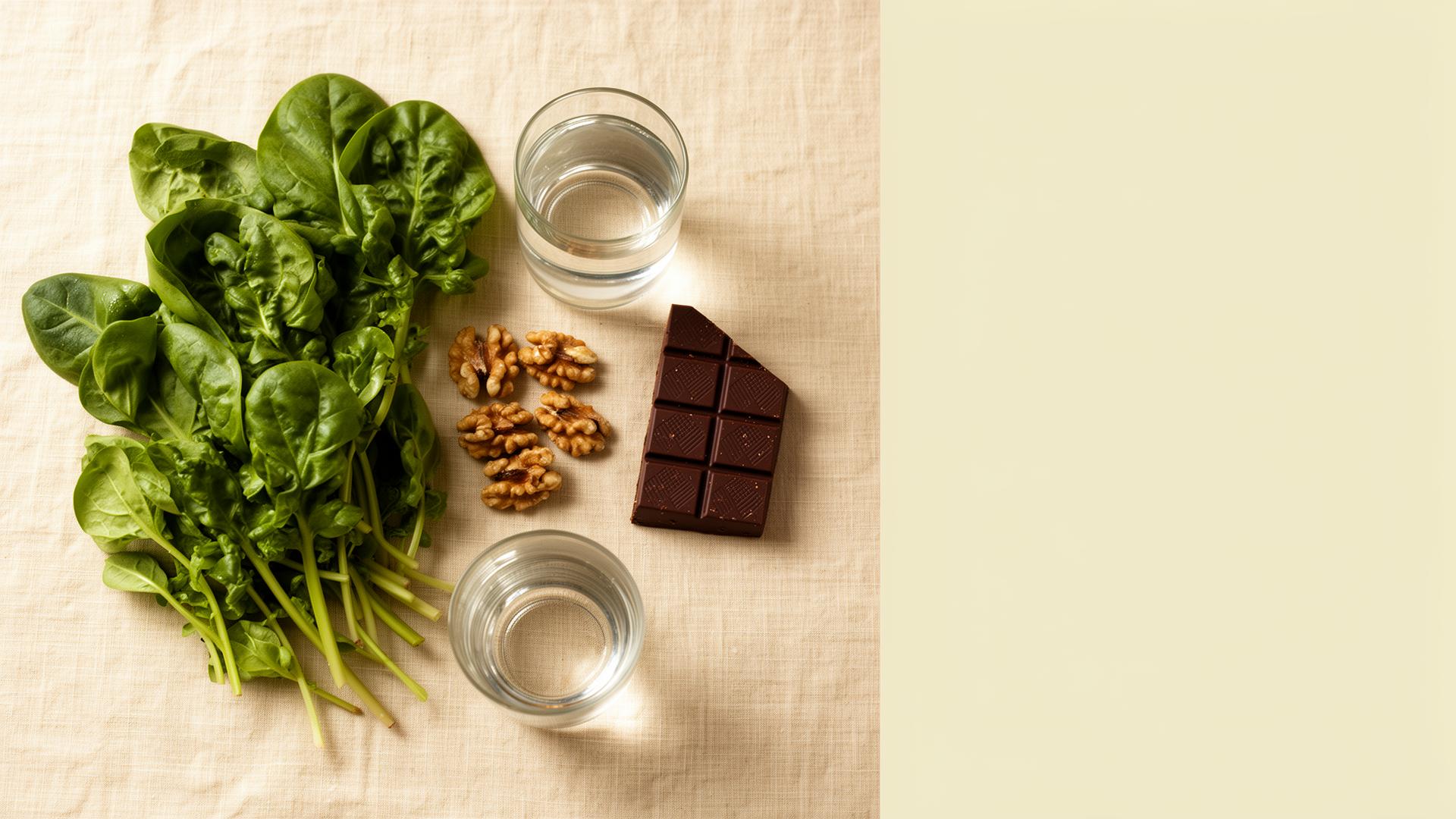
- Add one serving of leafy greens or legumes daily.
- Eat fatty fish twice a week, or consider an EPA-rich omega-3 supplement.
- Anchor breakfast with protein + fiber to stabilize energy.
- Reduce ultra-processed snacks by half before trying to eliminate them.
Publisher and editor of Ketalux, based in Chicago, Illinois. Ira is a ketamine therapy patient, not a clinician. This is editorial review, not medical review: Ira is not a licensed clinician and does not provide diagnosis or medical care. Ketalux does not accept compensation from providers in exchange for favorable editorial coverage, evidence ratings, recommendations, patient referrals, or organic provider ranking. Read the full publisher disclosure →
Educational use only. The content on this page is provided for general educational purposes and does not constitute medical advice, diagnosis, or treatment. Ketamine and related therapies carry risks and are appropriate only under qualified medical supervision. Always consult a licensed healthcare professional about your individual situation. Information may change as research evolves.