
Research, Neuroscience, and Neuroplasticity
Modern interest in ketamine for mental health is grounded in decades of neuroscience research on glutamate signaling, synaptic plasticity, and how the brain responds to rapid-acting interventions.
This page has been written and edited by the publisher. It has not been reviewed by a licensed clinician.
Glutamate and the NMDA system
Unlike most conventional antidepressants, ketamine acts primarily on the glutamate system - particularly NMDA receptors. This mechanism has informed a new generation of research into rapid-acting antidepressants.
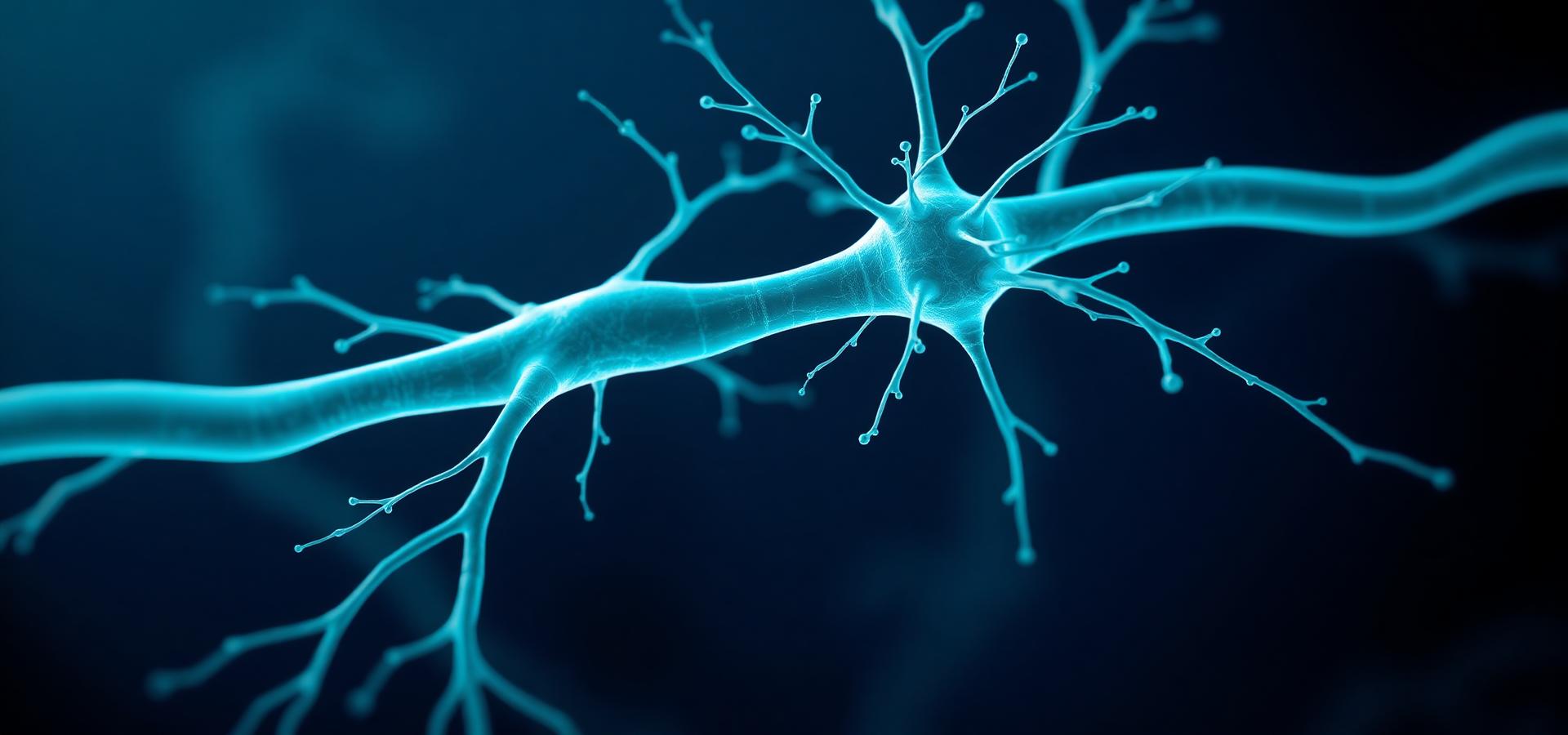
Neuroplasticity
Preclinical work suggests that ketamine can transiently enhance synaptic plasticity in regions implicated in mood and stress regulation. The clinical implications of these findings are still being studied and should not be overstated.
Clinical evidence at a glance
- Multiple RCTs support rapid, short-term antidepressant effects in some adults with treatment-resistant depression.
- Evidence in PTSD is growing but earlier-stage than in depression.
- Evidence in OCD, anxiety, and chronic pain is mixed and condition-specific.
- Durability of benefit typically requires ongoing care, not single sessions.
What remains unknown
Open questions include long-term safety with repeated dosing, optimal integration protocols, predictors of response, and how rapid-acting interventions interact with psychotherapy. Reasonable clinicians acknowledge these uncertainties.
References
- Mechanisms and clinical use of ketamine in psychiatry. American Journal of Psychiatry (overview)
- Esketamine for treatment-resistant depression. U.S. Food and Drug Administration
- Glutamate and synaptic plasticity in depression. Nature Reviews Neuroscience
Research Highlights
Key findings from leading academic and research institutions worldwide.
- Psychedelic & Consciousness Research
Johns Hopkins
Studies show ketamine can produce rapid antidepressant effects within hours of administration.
Read research → - Glutamate, Depression & Synaptic Plasticity
Yale University
Research demonstrates ketamine promotes synaptic plasticity and growth of new neural connections.
Read research → - Clinical Trials & Treatment-Resistant Depression
NIH
Clinical trials indicate ketamine's effectiveness for treatment-resistant depression and suicidal ideation.
Read research → - Neuroimaging & Brain Network Research
Imperial College London
Leading research on how ketamine and related compounds reshape brain activity and connectivity.
Read research → - PTSD & Veteran Mental Health
Mount Sinai
Pioneering research on ketamine for PTSD, including some of the first randomized trials in this population.
Read research →
Publisher and editor of Ketalux, based in Chicago, Illinois. Ira is a ketamine therapy patient, not a clinician. This is editorial review, not medical review: Ira is not a licensed clinician and does not provide diagnosis or medical care. Ketalux does not accept compensation from providers in exchange for favorable editorial coverage, evidence ratings, recommendations, patient referrals, or organic provider ranking. Read the full publisher disclosure →
Educational use only. The content on this page is provided for general educational purposes and does not constitute medical advice, diagnosis, or treatment. Ketamine and related therapies carry risks and are appropriate only under qualified medical supervision. Always consult a licensed healthcare professional about your individual situation. Information may change as research evolves.